This weekend I helped a family member track down why a light was not turning on, and it was honestly satisfying when we realized it was a tripped GFCI upstream
Great Job KloeRinz! It feels good to help someone out, doesn't it?
You mentioned people getting in trouble with multimeters. If one reads the instructions and practices a bit, use will become intuitive quickly. You were wise enough to ask about it, so it follows that you are wise enough to use and enjoy a multimeter. Fear Not!
THE #1 TOOL FOR THE KIT-
Safety Eye Wear.
EVERY JOB - EVERY TIME-
Test the tester!
PEOPLE GET IN TROUBLE WITH THIS-
People DO get in trouble with voltage sniffers. They sometimes don't enunciate voltage and sometimes alert on ghost voltages.
FOR QUICK CHECKS-
A Cube tester with a GFCI button is useful. If it reads for correct wiring in the socket, that is a bonus.
Test your Ground Fault and Arc Fault devices monthly, even if "self testing". Self test doesn't open the contacts, so it's important to physically test them.
BASIC WORK-
For DIY at home, a digital multimeter from a good brand is very nice to have for general troubleshooting. Fluke, although expensive, is quite good. Bachman is good. Amprobe is reasonably reliable. Extech is quite good in the affordable brands. I would avoid house-brand meters. Others here can suggest more brands.
Having True RMS reading may confuse & isn't needed for home use. But, it's an option if you think you'll get deep into troubleshooting.
The meter must have 600 volt or higher insulation rating on the case & leads, although you don't need to be able to read over 250 volts at home.
NIST Traceable in the description usually means quality. And, make sure it is agency listed. (UL, CSA, ETL...)
Having some lead accessories is good. Clip-on alligator ends come in handy often. Needle point probes are good for small access spots.
A Current Clamp will save you from needing a meter with jaws for Hall Effect amp reading, buyt can be clumsy to use. (Mentioned separately below)
MORE FEATURES-
If the meter is Auto Ranging, that is helpful. But more helpful is also being able to set the range yourself. If you're going to troubleshoot electrical with motors, having a capacitance feature is handy. A lighted display and a case with a fold out stand are useful.
REALLY HANDY TO HAVE-
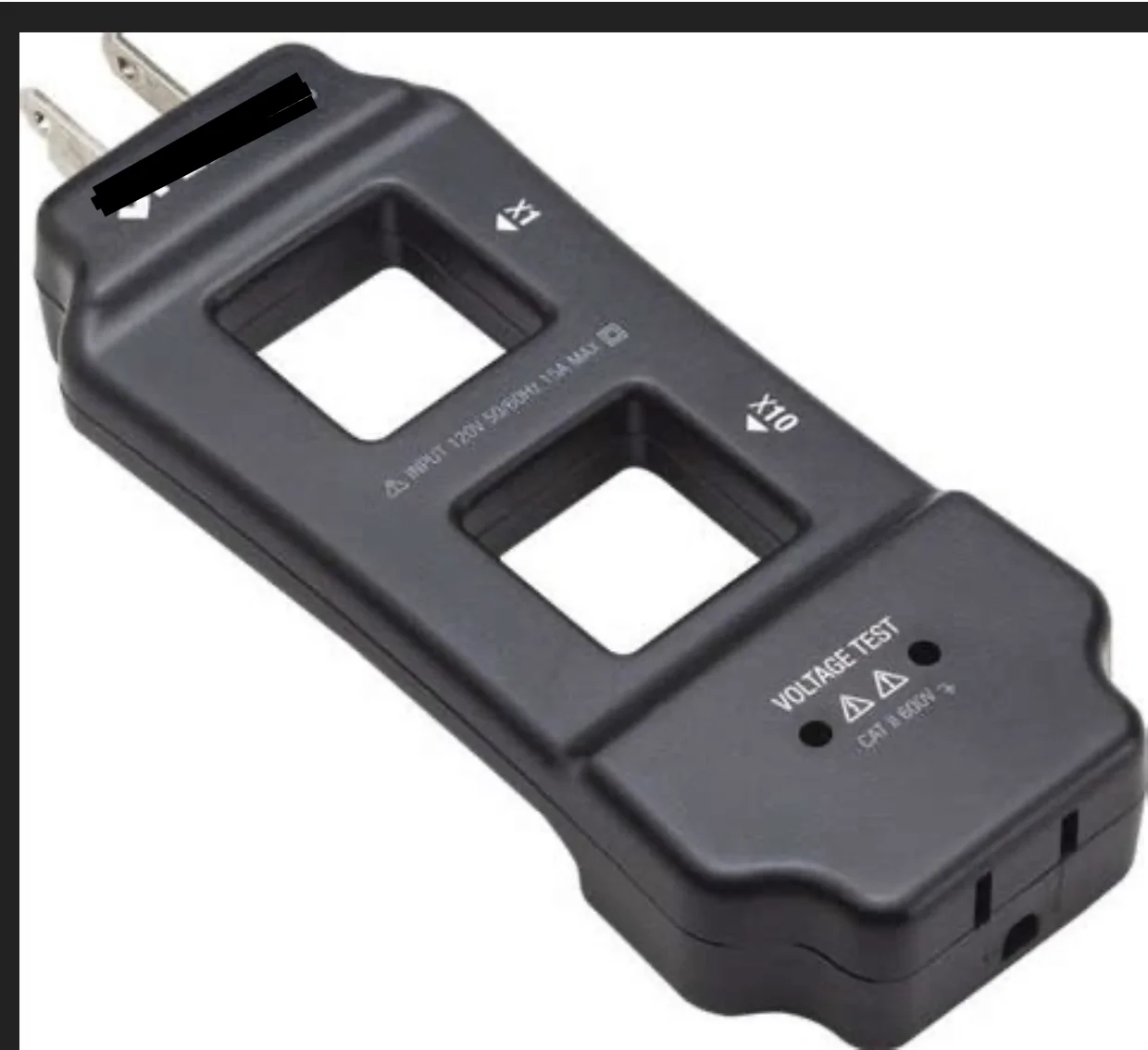
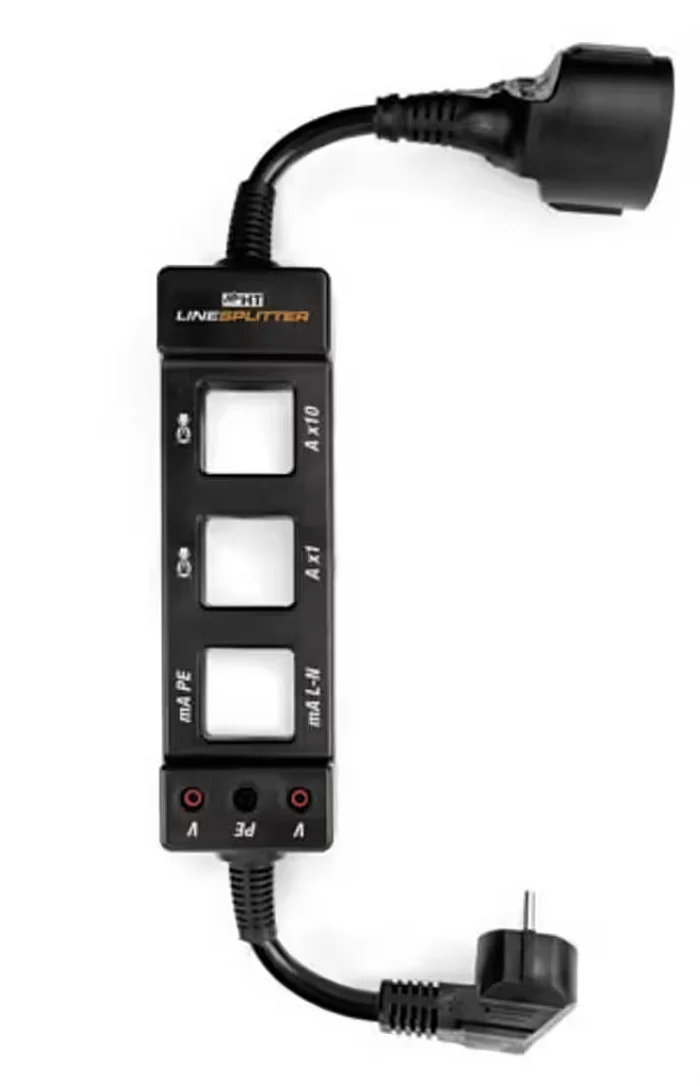
A clamp-on ammeter with a Line Splitter is very handy, especially for "why did this breaker trip?" jobs. Many multimeters have these Hall Effect jaws. Most have ranges for the maximum amperage you think the tested item will draw. (Typical Ranges: 0-1 amp, 0-40 amp, 0-100 amp, etc.)
The "splitter" allows you to plug in something and still use the clamp on. Many have multipliers for more precise reading of lower amperages. Some have ports to check voltage under load and a few have leakage current testers (not handy for home use). For a simple splitter, you can "split" the wires on an extension cord and clamp around one at a time. (Hint: Keep the conductor in the center of the jaw for most accuracy)
PRECISION WORK-
For more precise work, an analog meter can't be beat- but for general house fixing jobs, one isn't necessary. Analog Ohm meters are far more precise & readings are more steady than with digital. But do you need it for your work?
LATER-
A Tone Tracer, Breaker Finder, Wire Sorter all may come in handy. I'd buy each when a project demands one of them.
Skip a Rotation Meter for home. Skip a Meg-Ohm meter.
IF YOU GET STUMPED WHILE TROUBLE SHOOTING-
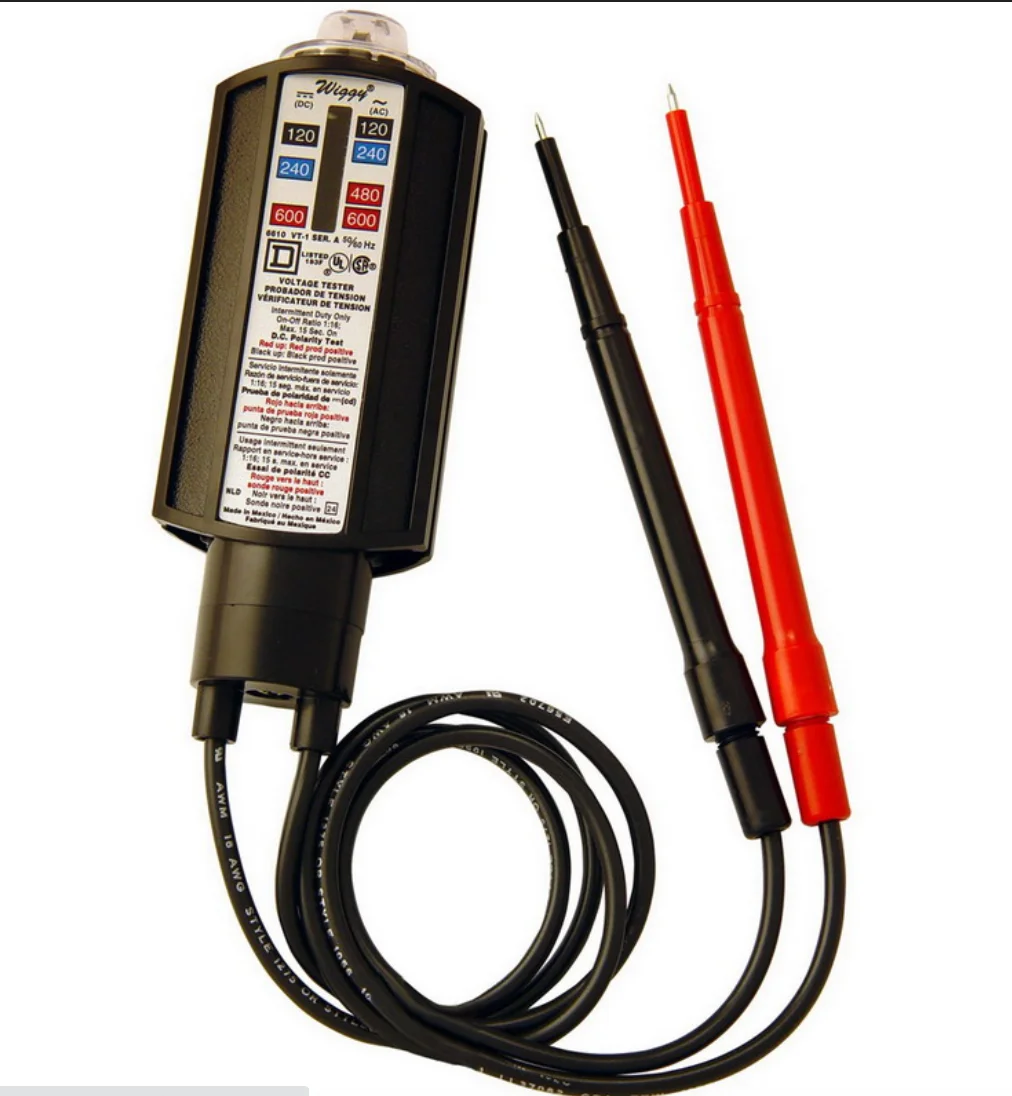
Solenoid type testers can come in handy when ghost readings are making things confusing. Wiggy is the well known (and reliable) brand. Some also can read continuity and DC voltage. Amprobe also makes a reliable one. I also have an Ideal & a Greenlee. They were quite inexpensive and seem fine, except sticking in really cold weather. (Test the tester!)
I hope that I did not write too much stuff. The goal was to give some guidance on testers & to make sure that you're not afraid of multimeters.
Happy Fixing Stuff!
Paul