If you are covered by NFPA 70, SoalrEco, check Article 312.2. It allows fittings listed for wet locations. Next check the specific fitting and ensure it is so listed.
If you look at a typical socket type meter can, you'll see a small rim around the opening in the top. A bolt-on "B-fitting" is used to accept the conduit. The purpose of the rim is to re-direct condensed water that.sneaks in the threads away from the inside of the enclosure. Using a Meyers hub on a plain knockout won't give the same protection. (You can try anti-ox paste to seal the threads, but that is iffy)
As others mentioned, if you have to go in the top, take the conductors below the level of the connections and make a drip loop. Ensure that there is drainage in the bottom of the enclosure. (But not so big as to allow insects.) I'd not do it, but that is an option.
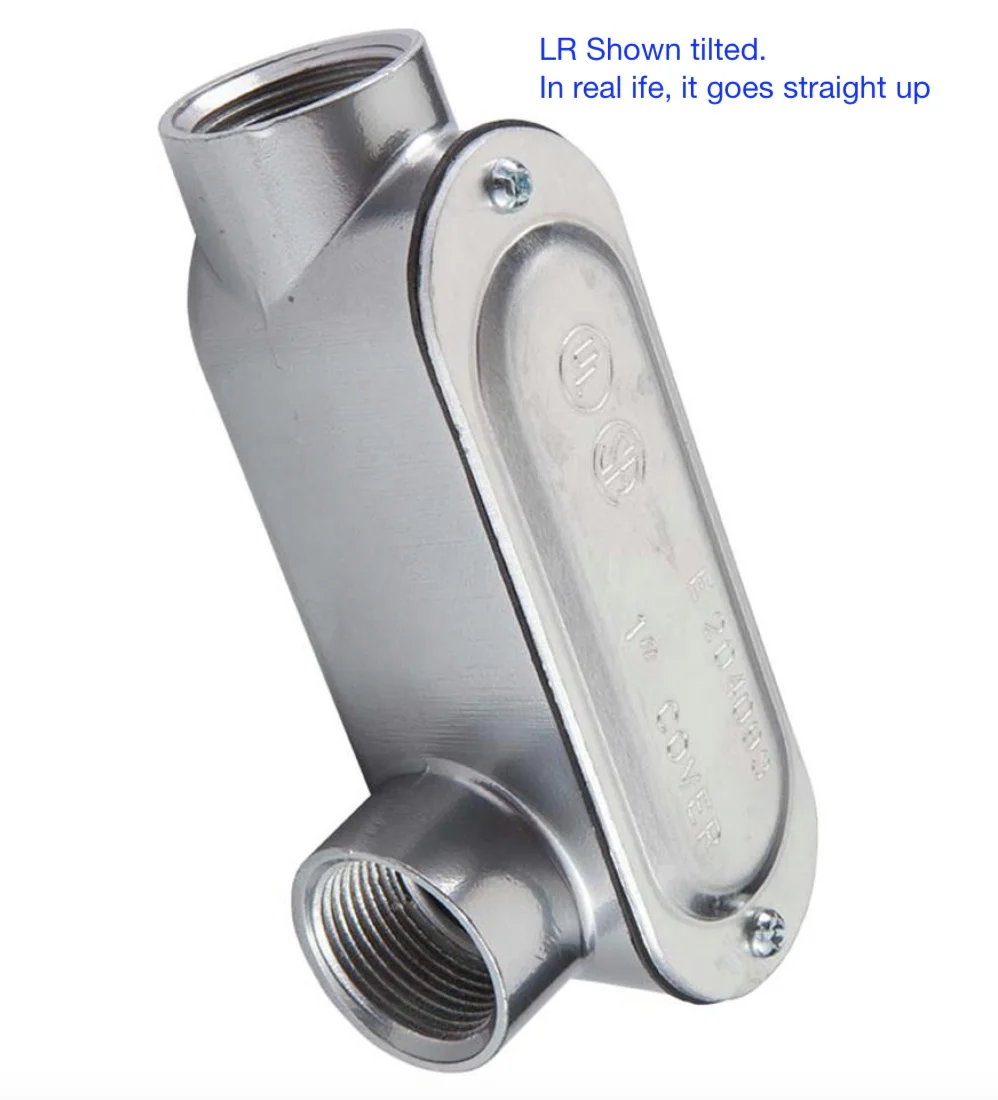
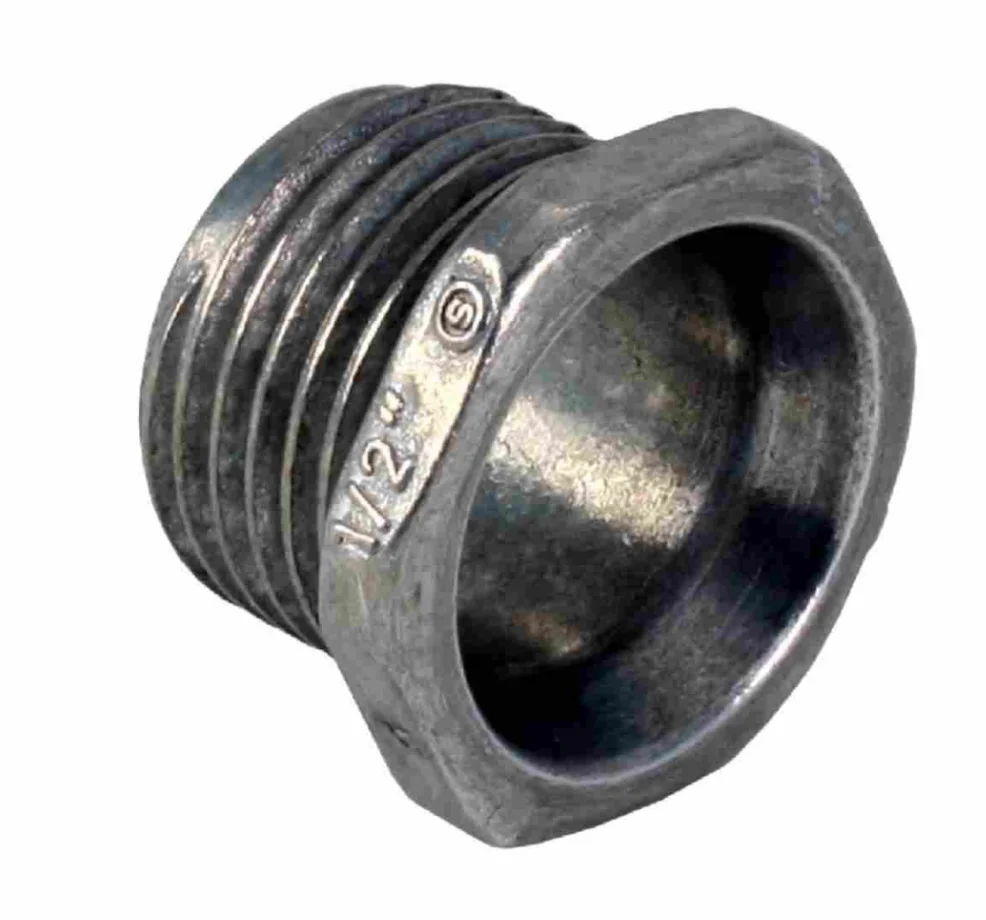
An "LL" or "LR" fitting may help you out. ('LB" if access to the door is available) Leave the side of the can with a chase nipple into the LL or LR, go up and then offset back toward the center of the box if desired. That is how we always built in wash-down areas.
Paul